Explore the portfolio
Projects, at a glance.
Open an image to explore the project. Each card states its current stage and links to the work or its background.
Institutional experience
Working across advisory and delivery teams.
My CV records serving as the Ministry of Education’s institutional counterpart on commissioned work involving these firms. Their names describe that professional context—not personal clients, current partnerships or endorsements.
Venture portfolio
Problem → evidence → system → scale.
The portfolio spans working systems, public prototypes and research-backed venture concepts. The common build logic is the same: define the consequential problem, make the evidence inspectable, build the operating layer, then design for adoption and governance.
Evidence-backed capability network
Kamin
Kamin 1.0 · Public release
My role: project concept and capability-network design.
Understand your capabilities. Explain your next step.
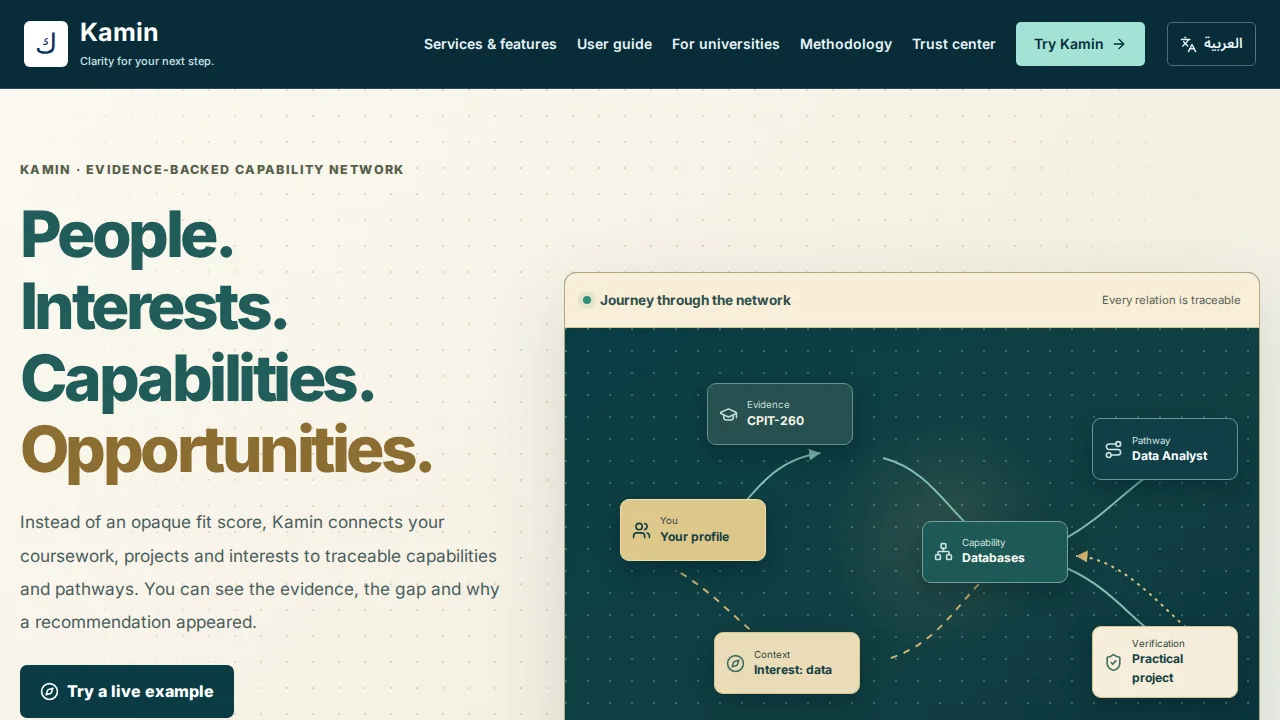
Kamin connects a student’s interests, goals and reviewed academic evidence in a capability network. Its user-controlled profile explains how learning and career pathways relate to the person, where evidence is missing and what to explore next.
Kamin 1.0 is a public release built around an evidence-backed capability network: every relation shows its source, and transcripts are read in the browser rather than sent to a server. Current pathways are reference examples; recommendation quality is an active validation question.
Start with the personConnect interests and goals with the evidence the student chooses to add.
Explain the connectionInspect the sources and relationships behind a suggested pathway.
Own the next stepReview the profile and turn evidence gaps into a learning plan.
Strategy-to-workforce intelligence
MIYAR
Release 6.0 · Public pilot
My role: co-development with Ahmad Raza Khan.
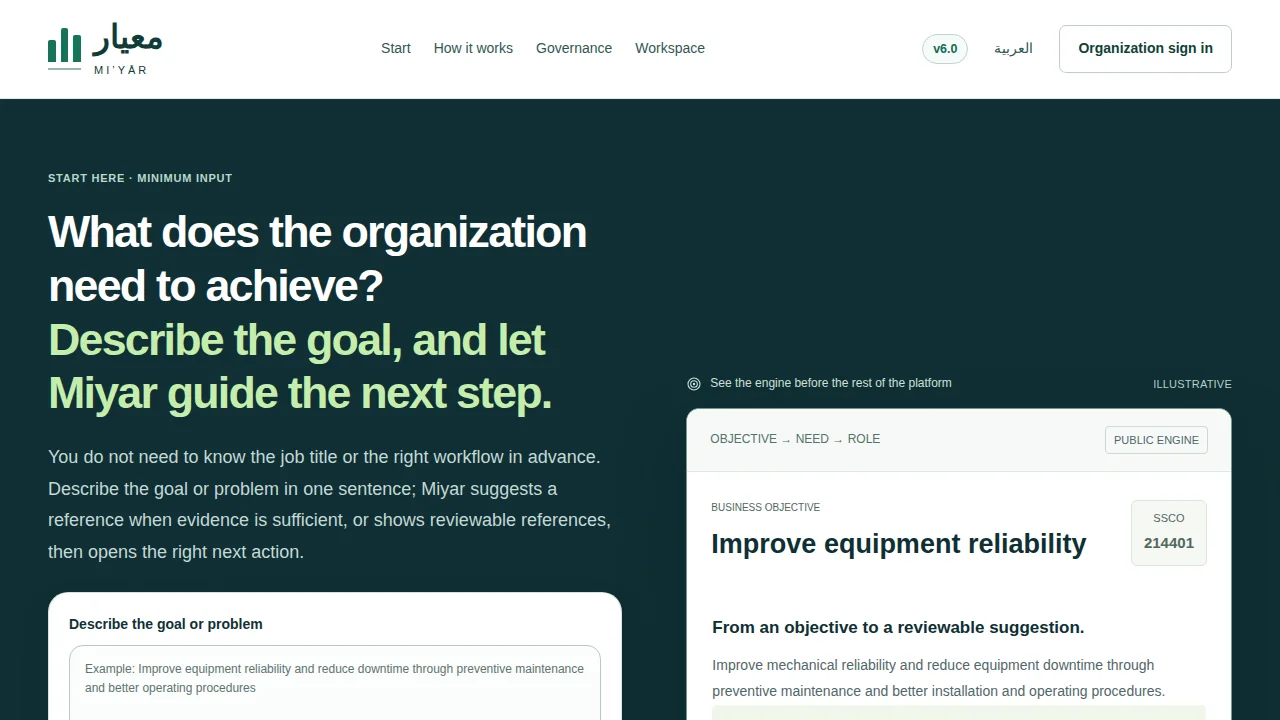
From strategy to an approved workforce decision.
MI’YĀR connects strategy, organizational design, job evaluation, workforce planning, compensation and approval. Developed with Ahmad Raza Khan, it makes assumptions, role responsibilities and review steps visible across the workflow.
Release 6.0 starts from one sentence: describe the goal or problem and MI’YĀR suggests a reviewable role reference and the next action. It adds two-step sign-in, an isolated demo organization and a guided ten-minute tour.
The public prototype supports exploration and evaluation. Institutional pilots should validate data, approval rules and integration needs in their own setting.
Strategy & structureTranslate strategic intent into organization and job architecture.
Scenarios & costExplore workforce plans, job evaluation and compensation assumptions.
Review & approvalCarry the evidence and responsibilities into an explicit approval workflow.
Workforce Decision Intelligence
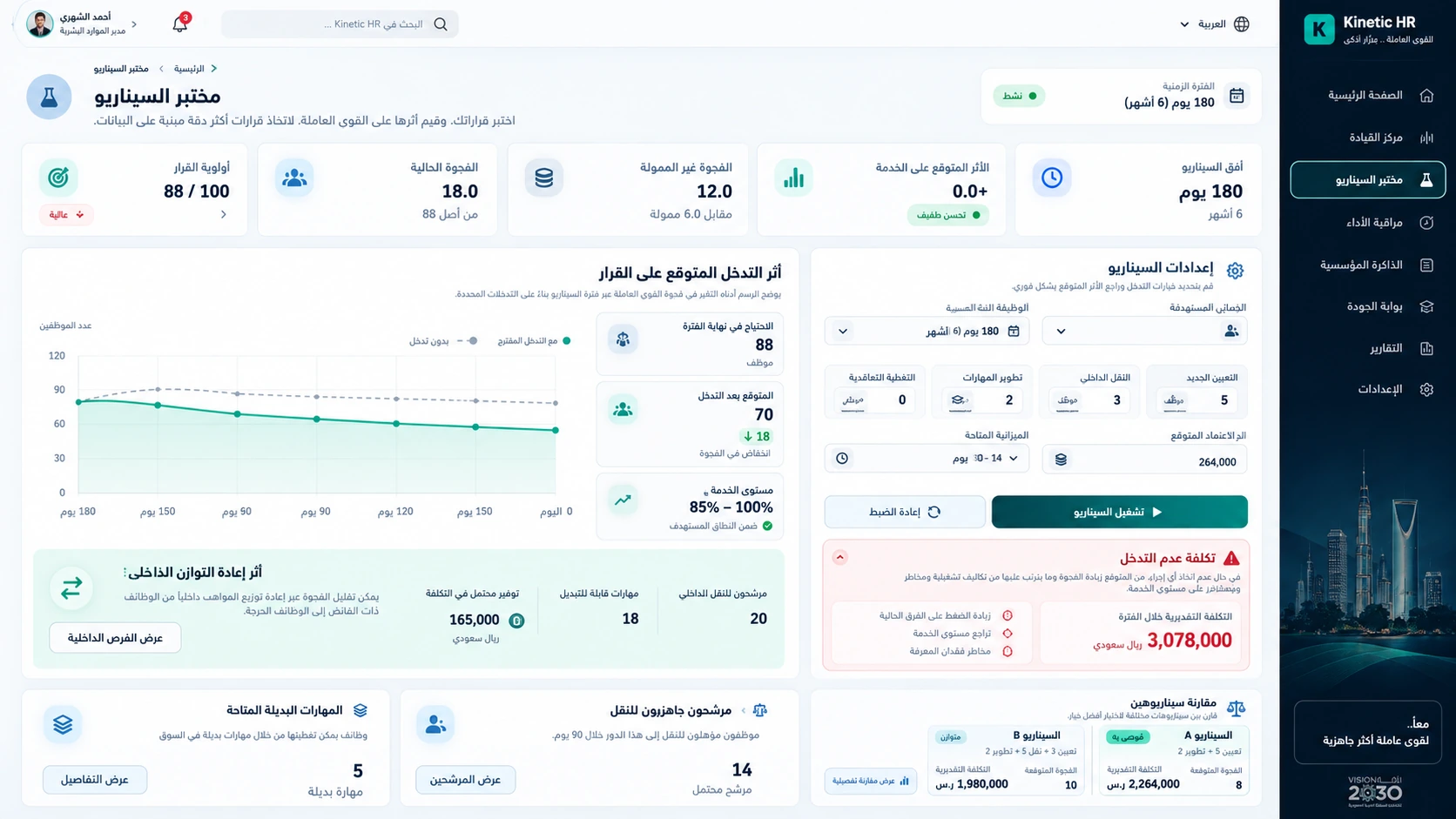
Kinetic HR
Public prototype · Early-warning decision layer
My role: product concept, decision logic and workforce-intelligence direction.
See workforce pressure before it becomes a staffing crisis.
Kinetic HR is a bilingual workforce decision-intelligence prototype designed to sit alongside existing HR systems. It surfaces capacity signals, workforce gaps and decision queues, then lets users explore staffing scenarios without writing back to source systems.
The current prototype also exposes data-quality, provenance and audit views so recommendations can be traced to their measurement basis rather than presented as opaque AI output.
Early warningSurface workforce pressure, capacity gaps and decision bottlenecks before escalation.
Scenario labCompare staffing responses and their operational effect without writing back to source systems.
AuditabilityKeep data quality, provenance and decision logic visible for institutional review.
Personalized Medicine
GenomeFit
Co-founded venture
My role: co-founder.
From genomic information to more individualized health decisions.
GenomeFit emerged from personalized-medicine work in the KAUST innovation ecosystem, using genomic analysis to support genetic screening and drug-response decisions.
Research baseGenomics, drug response and personalized medicine
Innovation pathwayDeveloped through the KAUST ecosystem and TAQADAM
Venture logicTranslate complex analysis into usable decision support
AI-Enabled Clinical Innovation
HEALTHx
Founded company
Founder, HEALTHx
clinical innovation platform; invention disclosure under review
ProblemHospital innovation often remains local, fragmented and hard to commercialize
SystemA structured layer for IP, APIs, models and reusable clinical services
OpportunityHealth-system and technology partnerships
Digital Health Platform
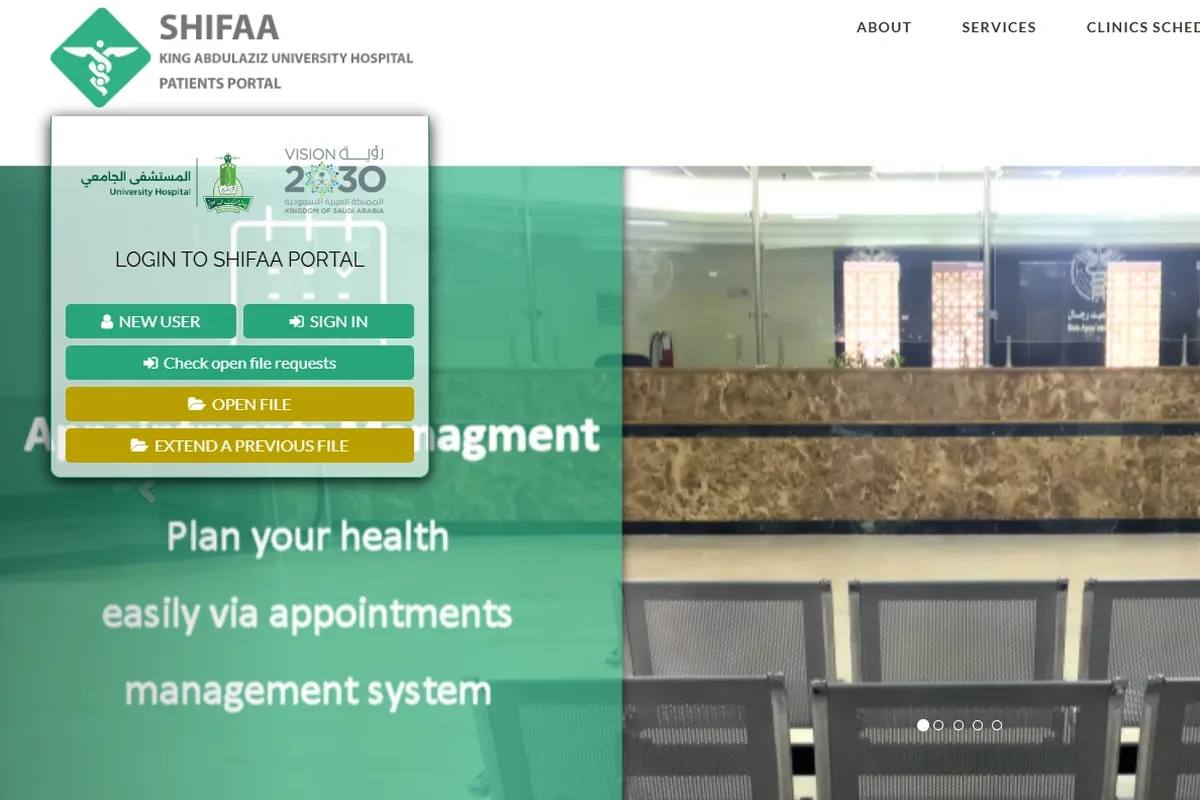
SHIFAA
Founded at King Abdulaziz University Hospital
My role: founder and technology leadership during hospital digital modernization.
Patient access as part of hospital digital modernization.
SHIFAA was founded and launched at King Abdulaziz University Hospital as part of a broader digital-modernization program, improving the way patients access services and interact with the hospital digitally.
ContextUniversity hospital digital transformation
RoleFounder and technology leadership
TranslationFrom service challenge to patient-facing platform
Additional systems & public work
Not every consequential system is a venture.
Some work belongs in a different category: public prototypes, teaching systems, research software and institutional platforms. I keep them separate so maturity and purpose remain clear.
STRATEGY SYSTEM · PUBLIC BETA
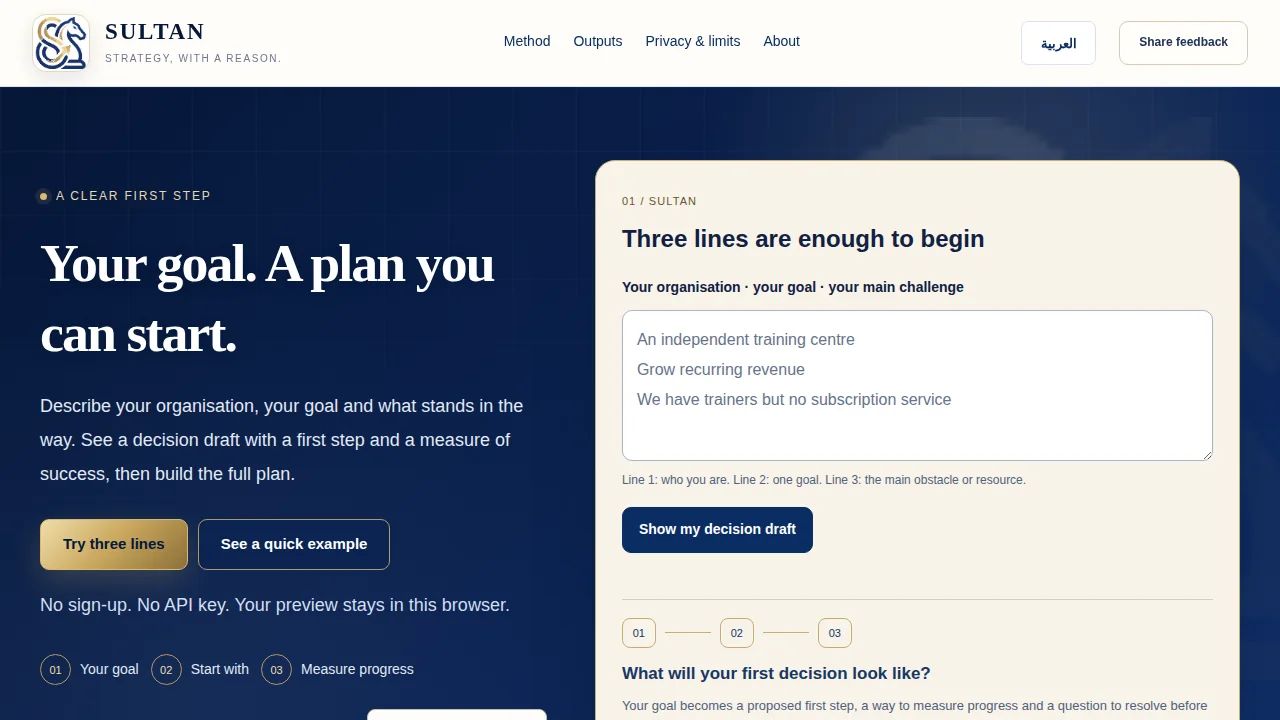
SULTAN
My role: strategy architecture and product direction.
A strategy-building workspace that connects institutional identity and ambition to explicit choices, authority, annual transitions, initiatives and funding context.
Public beta 0.13 starts with three lines (organisation, goal, main obstacle) and returns a decision draft with a first step and a measure of progress. It adds council review, editable board packs, strategic services and an optional offline app.
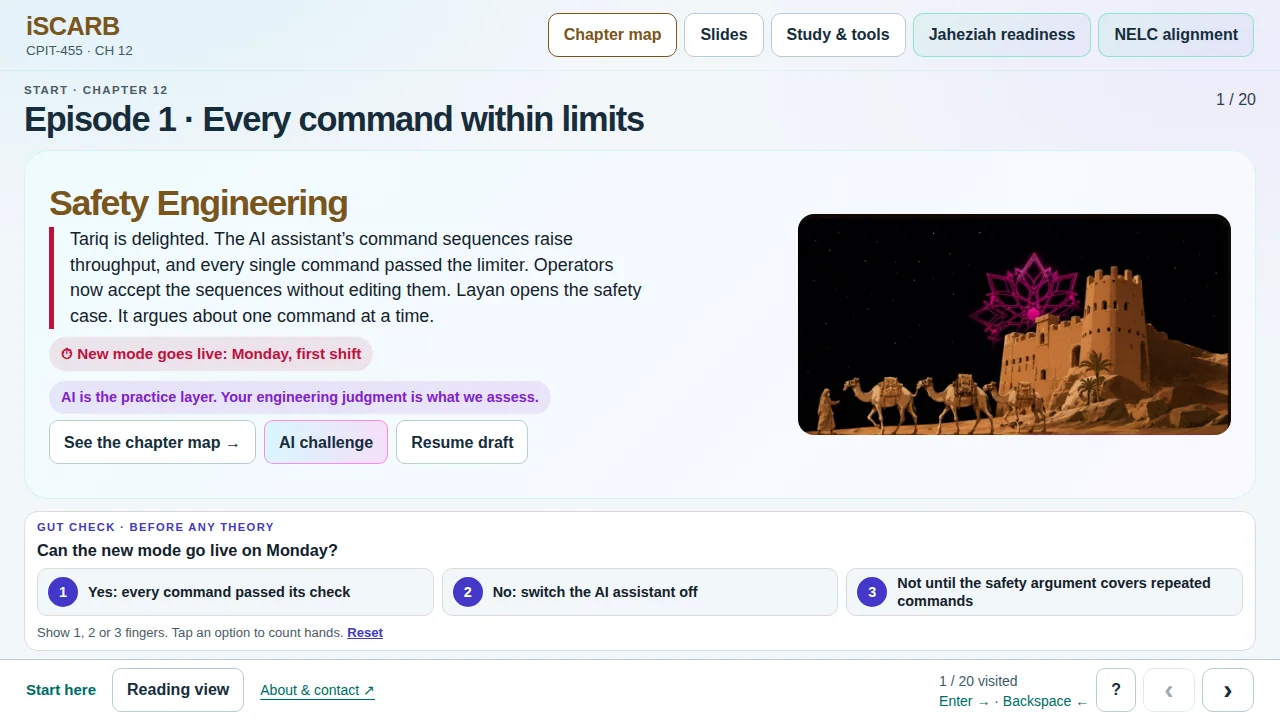
Open SULTAN →iSCARB
iSCARB — defensible engineering judgment
My role: method creator and course lead.
When AI can generate an answer, students still need to explain why it is justified and when it stops being justified. iSCARB is implemented across nine software-engineering chapters and assignments, connecting a choice to its assumptions, boundaries, action and evidence. From Chapter 12, story-led lectures turn each chapter into a decision case, supported by executable labs, a two-minute ownership check and an AI study coach: AI is the practice layer, and engineering judgment is what is assessed.
IMAM within iSCARB
IMAM is the optional Saudi and Islamic contextualization layer within iSCARB. It connects relevant context, values and purpose to the same evidence and technical-fidelity requirements. It is presented as part of this teaching program.
Open preprint · 25 September 2026 · Not yet peer reviewed. The implementation is available to inspect; learning effectiveness remains a research question.
INSTITUTIONAL SYSTEM · DIGITAL HEALTH
LEDD
My role: IT Director at King Abdulaziz University Hospital and member of the LEDD project team.
Live Emergency Department Dashboard was designed to make emergency-department crowding visible to patients and staff. The project pitch documents CTAS-based triage categories, live case counts and estimated waiting times, with data pulled automatically from hospital systems and published in the waiting room and on the web.
RIDI
RIDI
My role: research lead and audit-toolkit architecture.
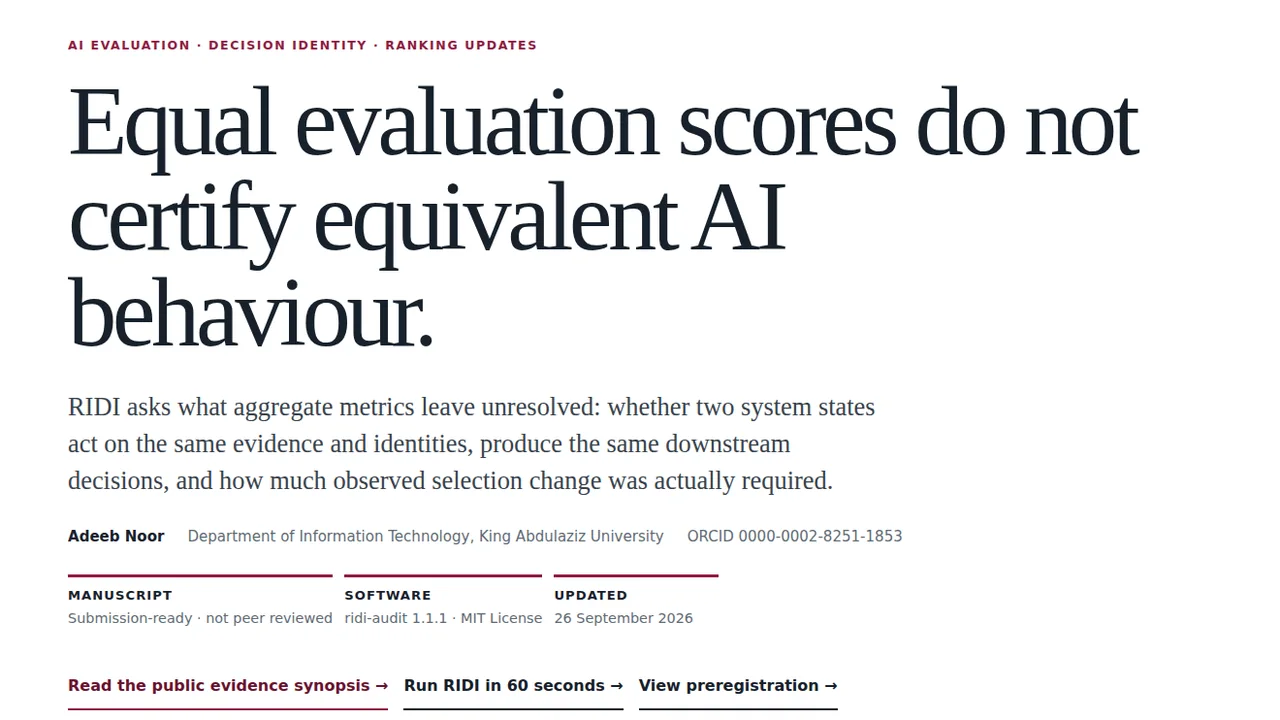
RIDI is the research project behind the manuscript “Equal evaluation scores do not certify equivalent AI behaviour”, with an open toolkit (ridi-audit) for selection-change auditing and the exact identity–utility frontier. It asks how systems can retain aggregate performance while changing their actions, and how much change an explicit objective actually requires.
The manuscript is submission-ready and not yet peer reviewed. Source data and a reproducibility package are open on Zenodo (CC BY 4.0); code, demonstrations and research records are linked separately from publication claims.
How I build with partners
Not “innovation theater.” A translation path.
I prefer partnerships where the decision rights, evidence, product boundary and path to adoption are explicit from the beginning.
01 · DEFINE
Frame the consequential problem
What decision is being made, for whom, and what changes if the system is wrong?
02 · EVIDENCE
Make the knowledge testable
Identify data, assumptions, validation criteria and the evidence required for trust.
03 · SYSTEM
Build the operating layer
Translate the research into a workflow, product, API, model or institutional capability.
04 · SCALE
Design for adoption
Governance, partnership model, commercialization and implementation are part of the design.
Partnership fit
Where I can add the most value.
The best collaborations combine a meaningful problem, credible domain access and a partner prepared to move from concept to implementation.
Health systemsClinical innovation, digital-health platforms, AI governance and commercialization.
Technology partnersAPIs, AI products, decision systems and research-backed product design.
InvestorsHealthTech, EdTech and AI ventures where research depth matters.
InstitutionsOperating models, research strategy and transformation programs.
Have a research asset, clinical problem or AI idea that should become a real system?
Bring the problem and context. I can help shape the evidence, product logic and operating model.